A Strategic Milestone for Vietnam’s Financial System
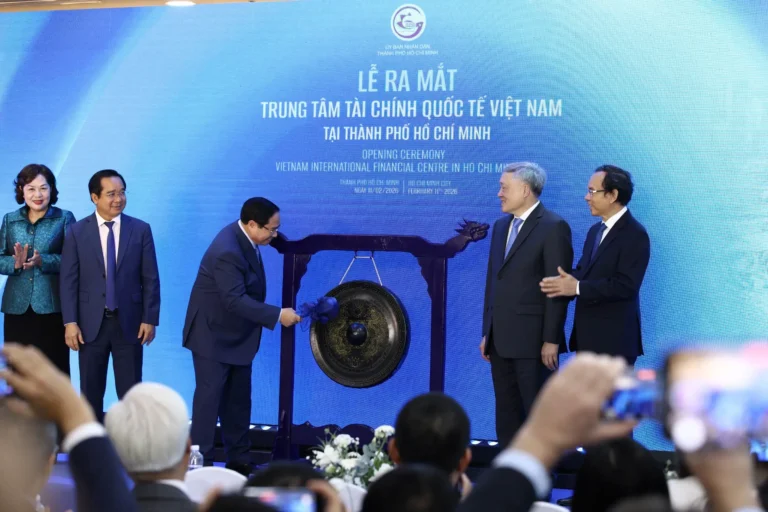
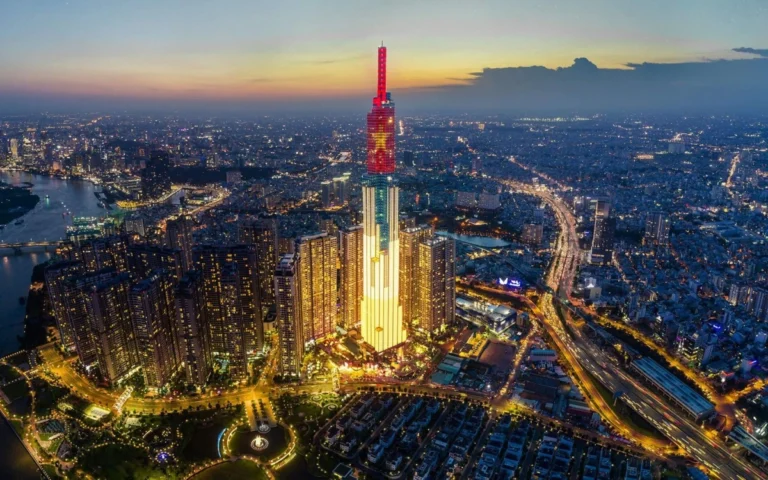
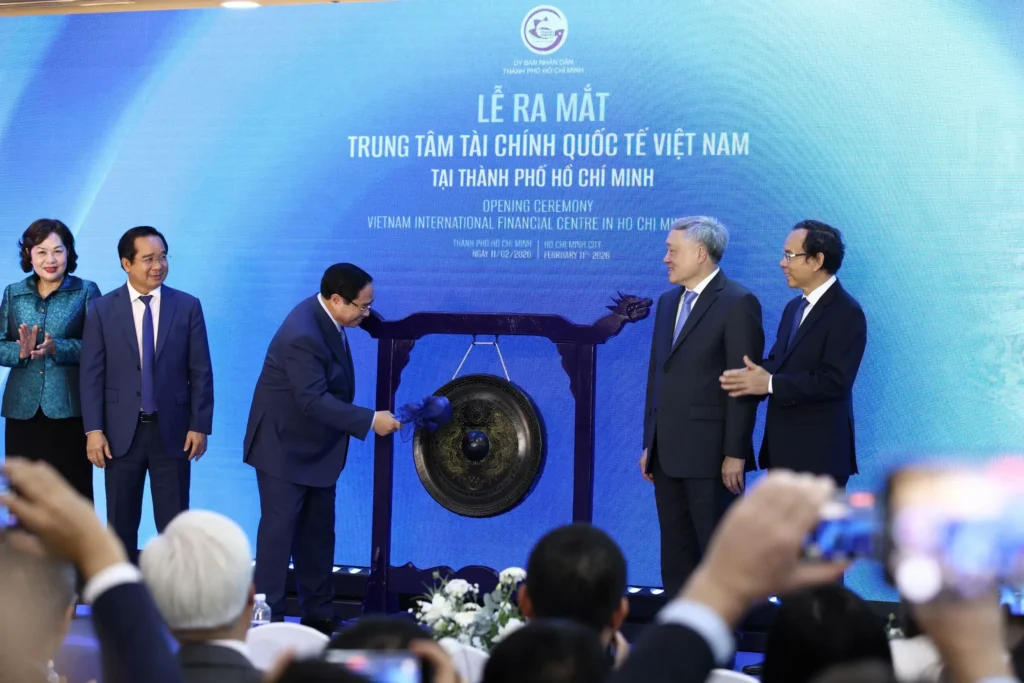
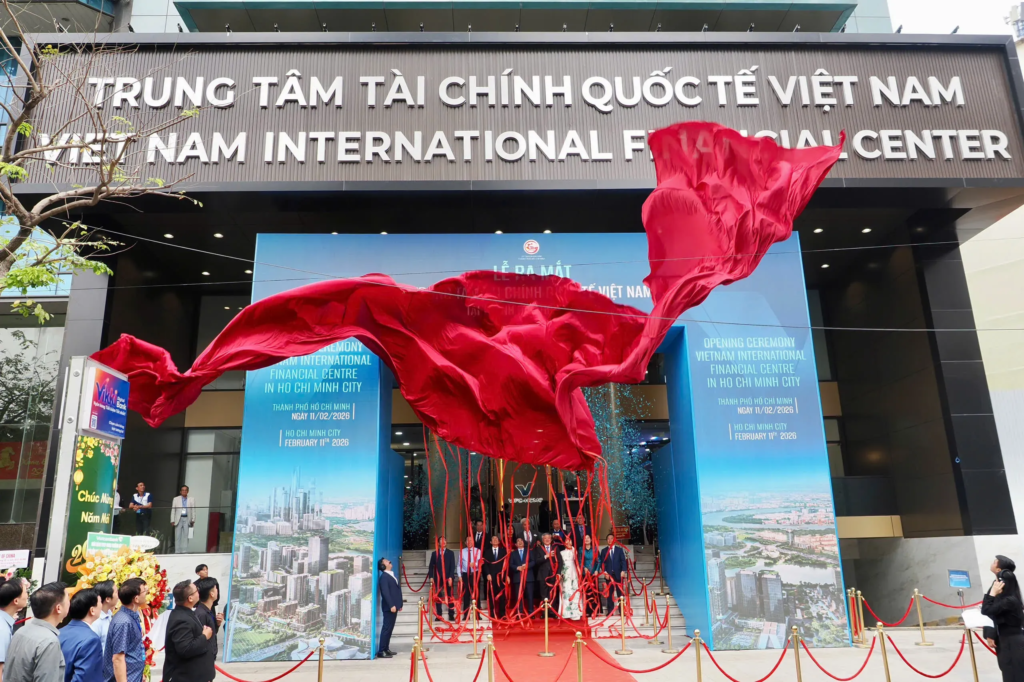
The Vietnam International Financial Centre in Ho Chi Minh City (VIFC HCMC) was officially launched on February 11, 2026, marking the beginning of its initial operational phase. This event represents a major step in Vietnam’s long-term effort to modernize its financial system and deepen integration with global capital markets.
More than a symbolic launch, VIFC HCMC reflects a strategic shift in positioning. Vietnam is no longer aiming solely to attract external capital, but increasingly to play a more active role in facilitating and shaping financial flows within the region.
High-Level Commitment and National Vision
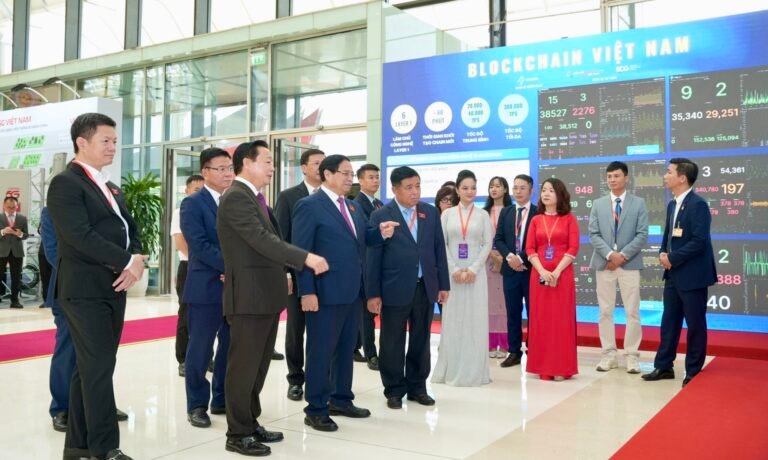
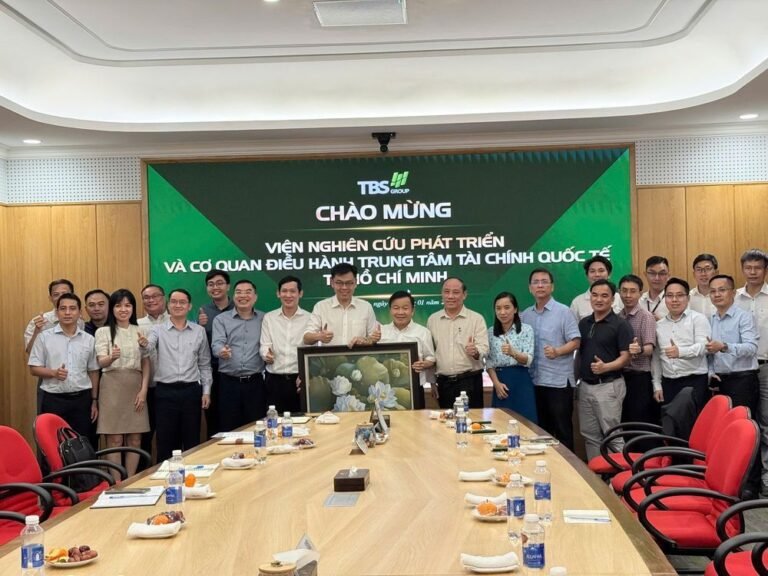
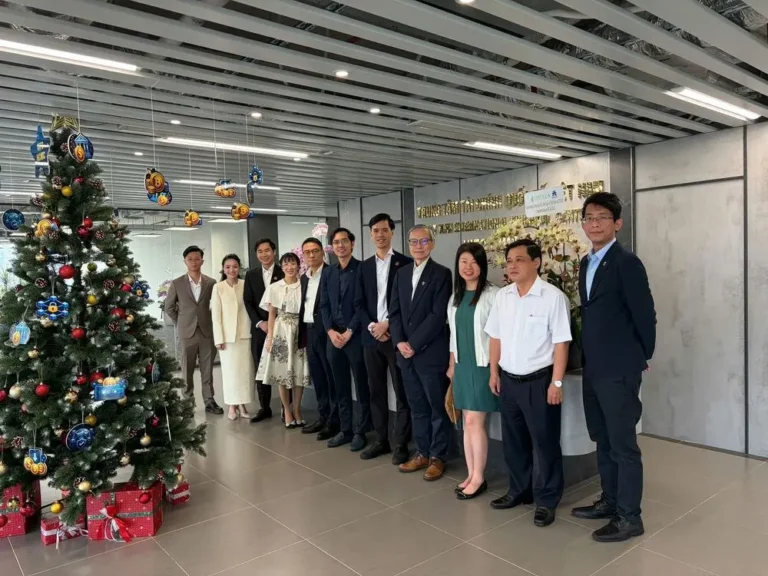
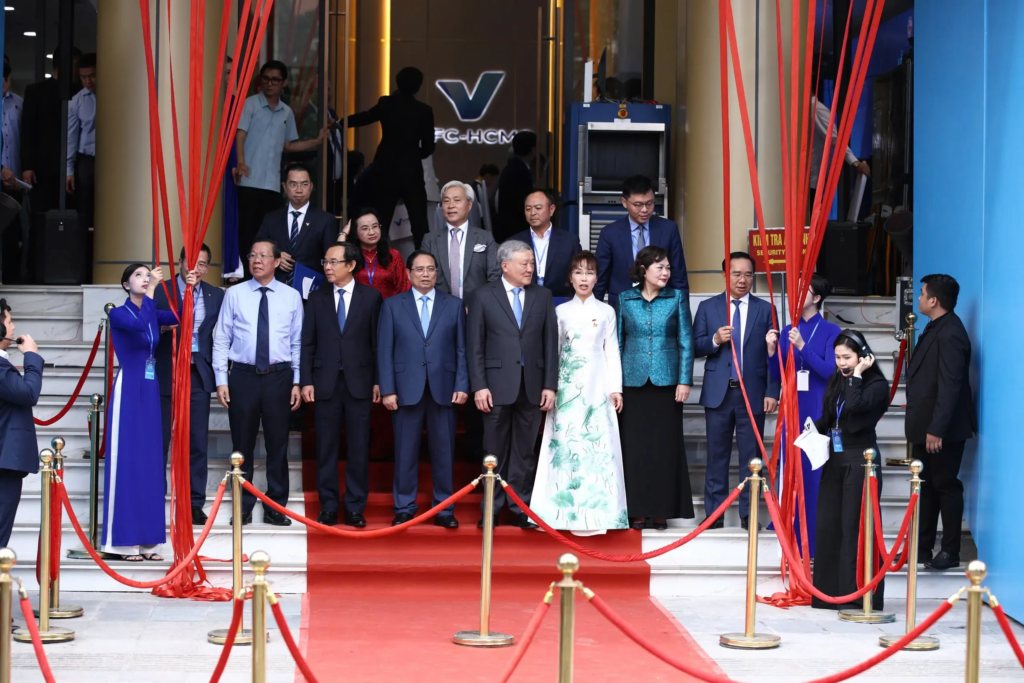
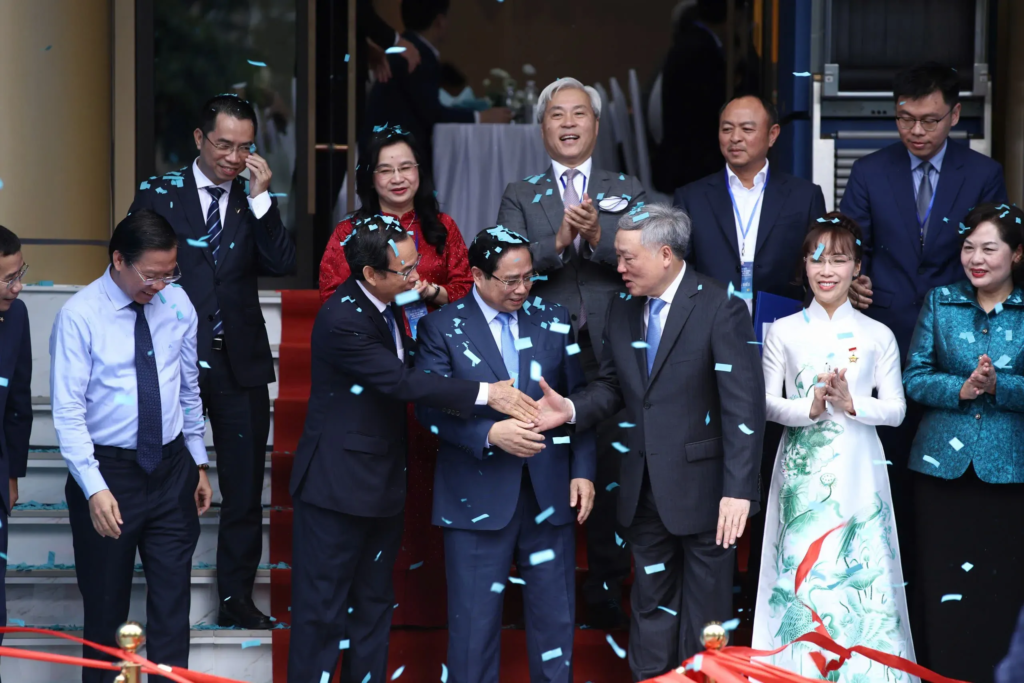
The launch ceremony gathered senior government leaders, including the Prime Minister, alongside representatives from international financial institutions, investment funds, and global corporations. The strong presence of both public and private stakeholders signals a coordinated national effort behind the initiative.
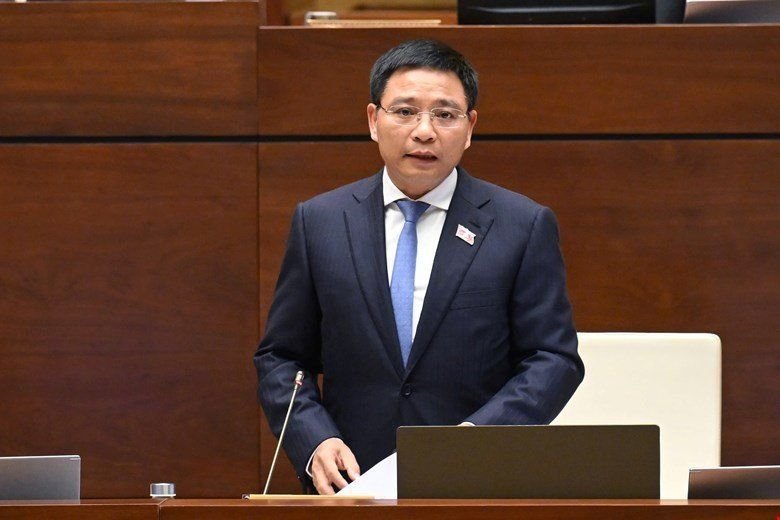
In his remarks, the Prime Minister framed the financial center as a form of “soft infrastructure” for the economy. The emphasis was placed not just on capital concentration, but on improving capital allocation efficiency, expanding access to financial instruments, and strengthening the link between finance and real economic activity. This aligns with how leading financial centers globally have evolved into integrated institutional ecosystems rather than simple transaction hubs.
Ho Chi Minh City as a Regional Capital Hub
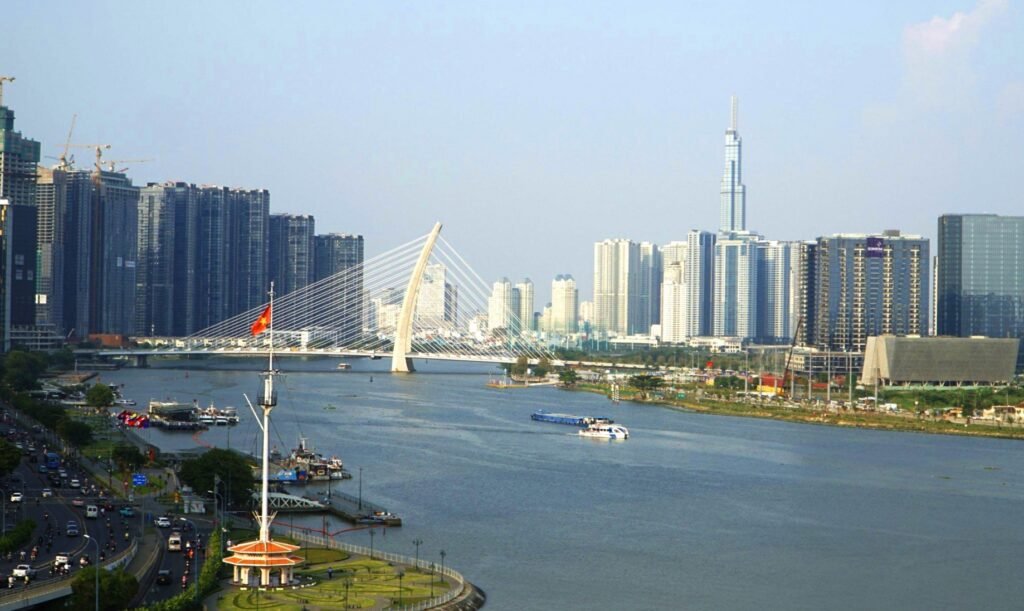
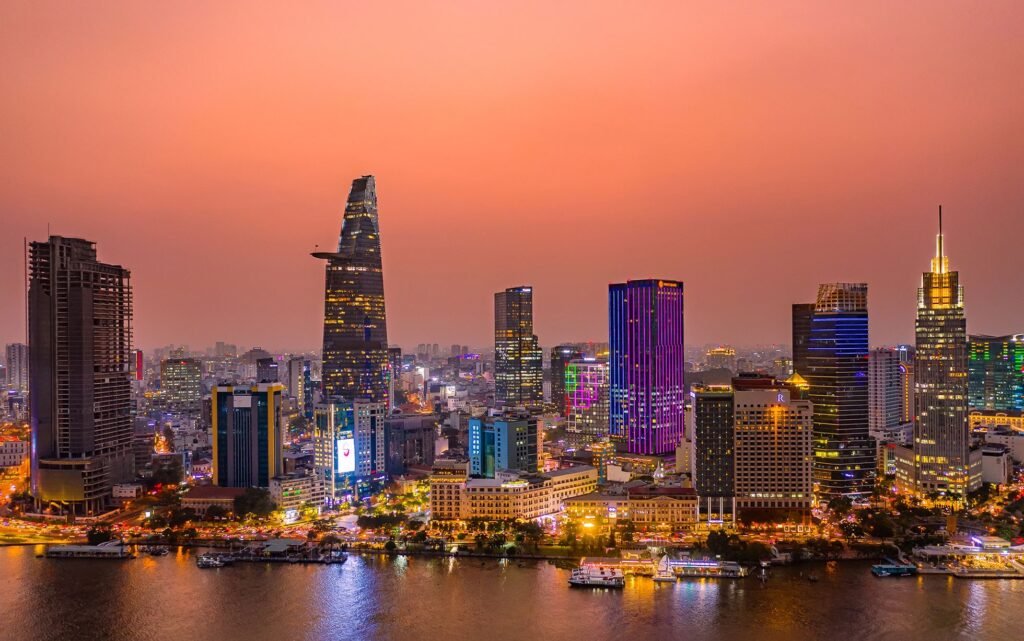
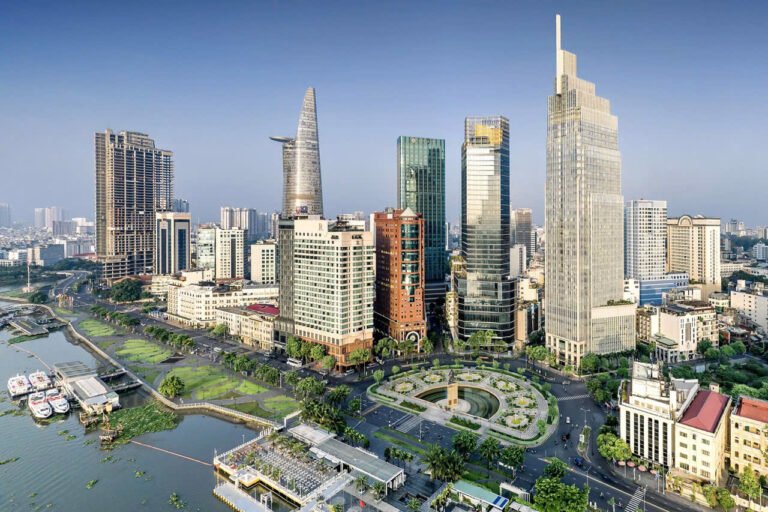
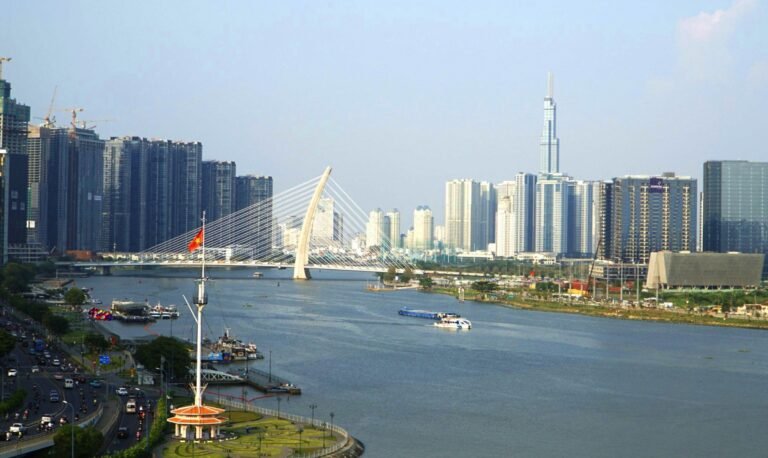
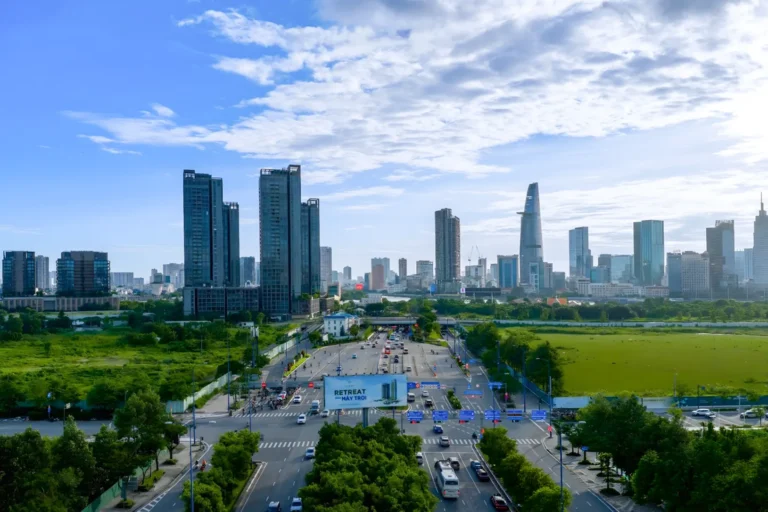
Ho Chi Minh City has been selected as the core location due to its role as Vietnam’s economic engine and its strong connectivity to regional trade and investment flows. The city provides a natural foundation for building a financial ecosystem that can scale both domestically and internationally.
VIFC HCMC is designed as an open ecosystem closely tied to the real economy. Its development priorities span infrastructure, industrial growth, logistics, green transition, innovation, and smart city initiatives. This positioning suggests a differentiated strategy, focusing on capturing growth opportunities in emerging sectors rather than competing directly with established global financial centers on scale alone.
Ecosystem Formation Through Strategic Participants
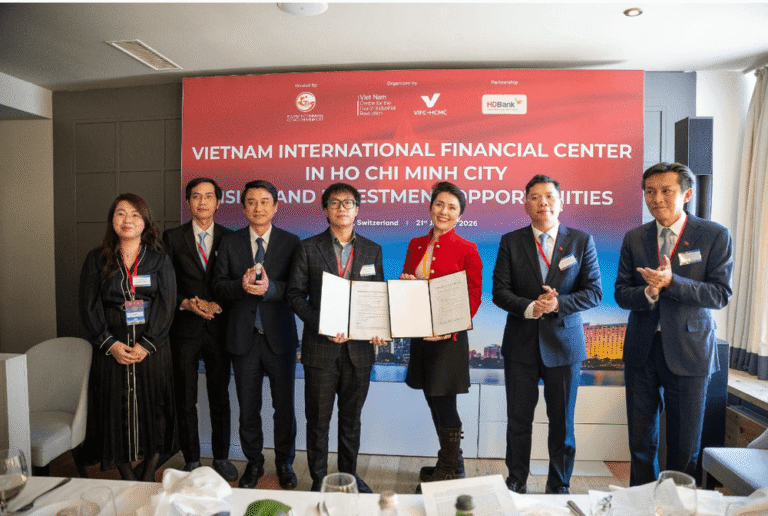
A key feature of the launch is the early establishment of a multi-layered ecosystem through founding and strategic members. These include major domestic banks, investment firms, international organizations, technology companies, and academic institutions.
Their participation brings more than financial capital. It introduces networks, operational capabilities, governance experience, and access to global markets. This ecosystem approach is critical, as the long-term success of a financial center depends heavily on the quality and connectivity of its participants rather than policy design alone.
Early Results Signal Execution Focus
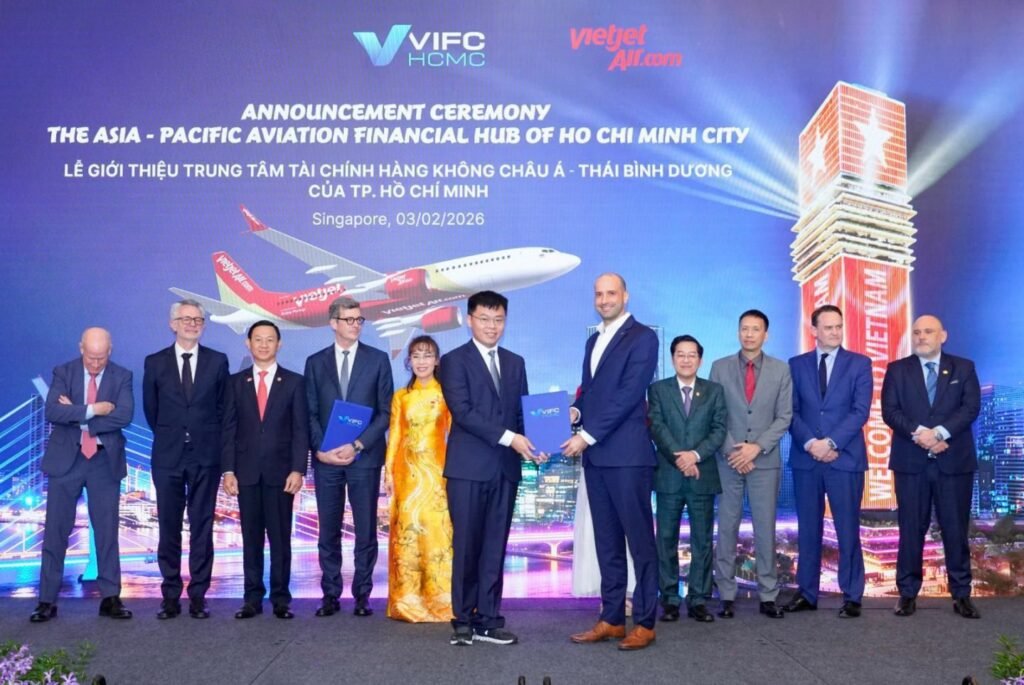
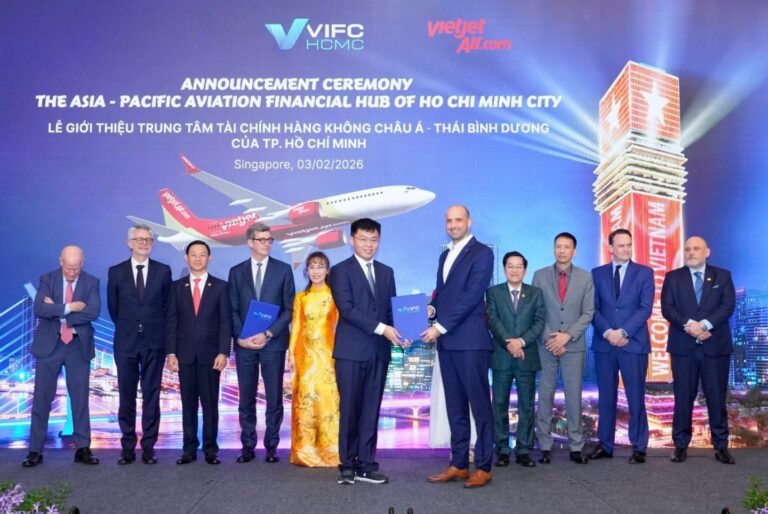
Despite being in its early stage, VIFC HCMC has already demonstrated initial traction. Within just over one month of operation, the center has recorded several notable outcomes, including large-scale capital commitments in aviation finance, urban data infrastructure, and emerging digital economy segments.
At the same time, preparations are underway to facilitate cross-border transactions at scale, indicating a clear focus on building real transaction flow rather than remaining at the conceptual level. This emphasis on early execution helps establish credibility, which is often a key challenge for new financial centers.
Building Digital and Institutional Infrastructure
Alongside capital mobilization, VIFC HCMC has begun developing its operational backbone. Digital platforms for onboarding and member registration have been deployed, supported by AI-powered virtual assistants to improve efficiency and user experience.
The center is also investing in human capital through structured training programs aimed at building a core team capable of operating within an international financial environment. This dual focus on technology and talent suggests a long-term approach to institutional capacity building.
Positioning Within Regional and Global Financial Flows
Looking ahead, VIFC HCMC is expected to evolve into a regional convergence point for capital. Its potential role includes serving as a gateway for international investors entering Vietnam and Southeast Asia, while also acting as a platform for financial innovation, particularly in areas such as digital assets and on-chain finance.
If supported by consistent regulatory development and strong execution, the center could enable Vietnam to accelerate its financial sector development and participate more actively in regional capital markets.
Key Challenges and Critical Success Factors
While the initial progress is notable, the long-term success of VIFC HCMC will depend on several structural factors. Regulatory clarity, legal enforceability, investor protection, and the ability to attract high-quality talent will be critical.
Equally important is the center’s capacity to sustain transaction flow and build liquidity over time. Without these elements, even well-designed financial centers may struggle to achieve meaningful scale and impact.
Conclusion
The launch of VIFC HCMC marks an important inflection point in Vietnam’s financial development. It reflects a growing level of institutional maturity, stronger alignment between public and private sectors, and a clear ambition to integrate more deeply into global finance.
As the center evolves, its success will be defined not by its launch, but by its ability to deliver sustained outcomes in capital formation, financial innovation, and real economic impact. If executed effectively, VIFC HCMC has the potential to become a key pillar in Vietnam’s financial architecture and a meaningful player in the regional financial landscape.