Competing in a Mature Regional Landscape
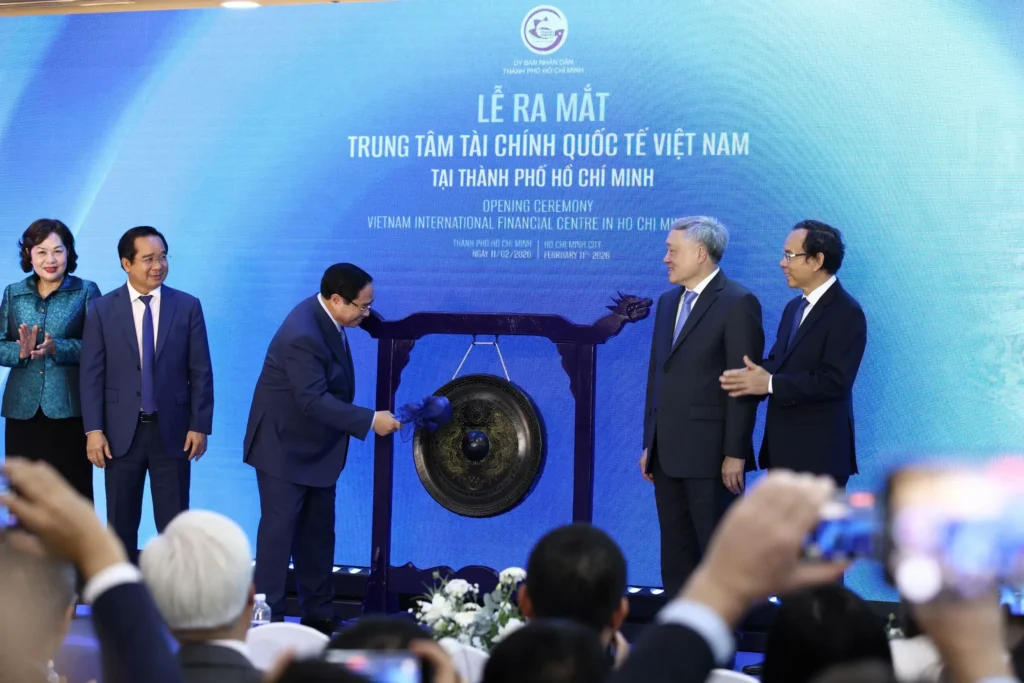
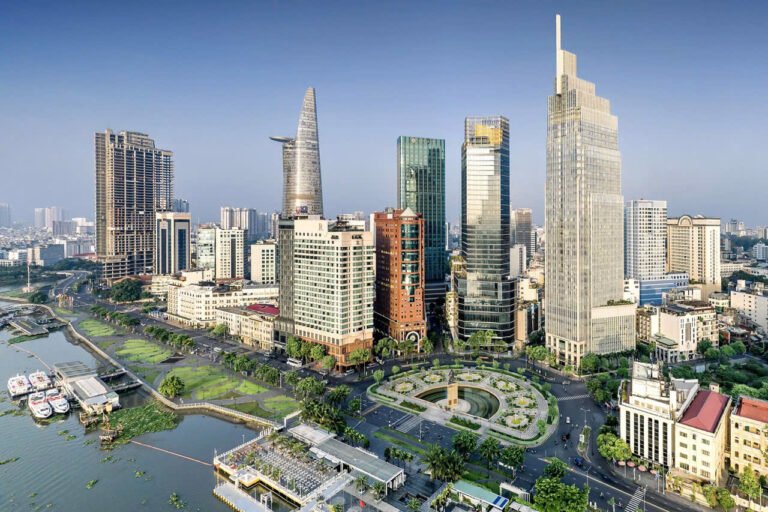
The development of the Vietnam International Financial Center (VIFC) places Vietnam within a highly competitive regional ecosystem. Asia is already home to well-established financial hubs such as Singapore and Hong Kong, each with deep capital markets, strong regulatory frameworks, and global investor trust.
For VIFC, the challenge is not to replicate these models, but to define a distinct role within this landscape.
Singapore: Efficiency and Institutional Strength
Singapore has built its position on regulatory clarity, political stability, and institutional excellence. It serves as a gateway for global capital into Southeast Asia, supported by a highly skilled workforce and a mature legal system.
However, these advantages come with rising operational costs, making it less accessible for certain segments, particularly early-stage firms and cost-sensitive operations.
Hong Kong: Market Depth and Global Connectivity
Hong Kong’s strength lies in its deep capital markets and direct connectivity to China. It remains one of the world’s leading financial centers for equity markets, asset management, and cross-border investment flows.
Its long-established ecosystem provides strong liquidity and trust, but also reflects a more traditional model that may evolve more slowly in adopting new financial paradigms.
Vietnam: Cost Advantage and Growth Momentum
Vietnam enters the landscape with a different set of advantages. Lower operating costs, a fast-growing economy, and increasing global integration create a strong foundation for attracting new flows of capital.
More importantly, Vietnam has the opportunity to design its financial center with a forward-looking approach—integrating digital infrastructure, fintech, and emerging financial models from the beginning.
Differentiation Through Digital and Niche Positioning
Rather than competing head-on, VIFC can position itself as a complementary hub within the regional network. This includes focusing on areas such as fintech, digital assets, green finance, and cross-border capital flows into high-growth sectors.
By leveraging technology and targeting underserved segments, VIFC can build a differentiated value proposition that complements, rather than replaces, existing hubs.
The “Network Model” of Financial Centers
Increasingly, global finance is shifting toward a network of interconnected hubs rather than a single dominant center. In this model, each location plays a specialized role within a broader system.
VIFC has the potential to become a node within this network—facilitating capital flows into Vietnam and the wider region, while connecting with larger hubs such as Singapore and Hong Kong.
Outlook
The success of VIFC will depend on its ability to define and execute a clear positioning strategy. Competing directly with established hubs may not be feasible in the short term, but complementing them through innovation and cost efficiency offers a more realistic path.
If positioned correctly, VIFC could evolve into a meaningful regional player—anchored not by legacy advantages, but by adaptability and forward-looking design.