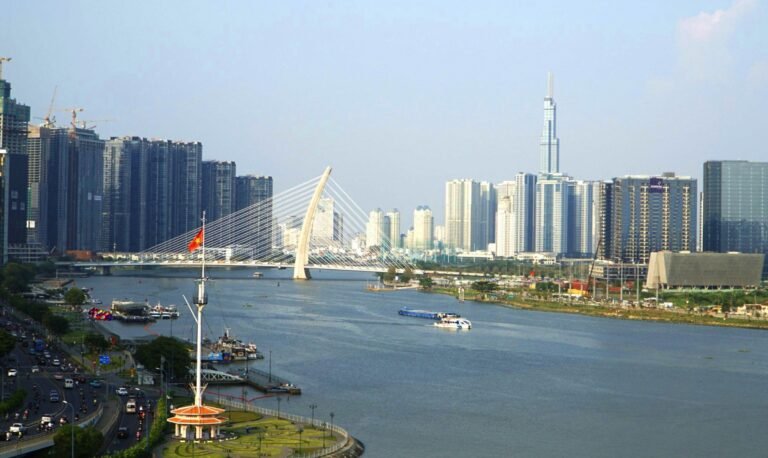




A Convergence of Timing and Opportunity
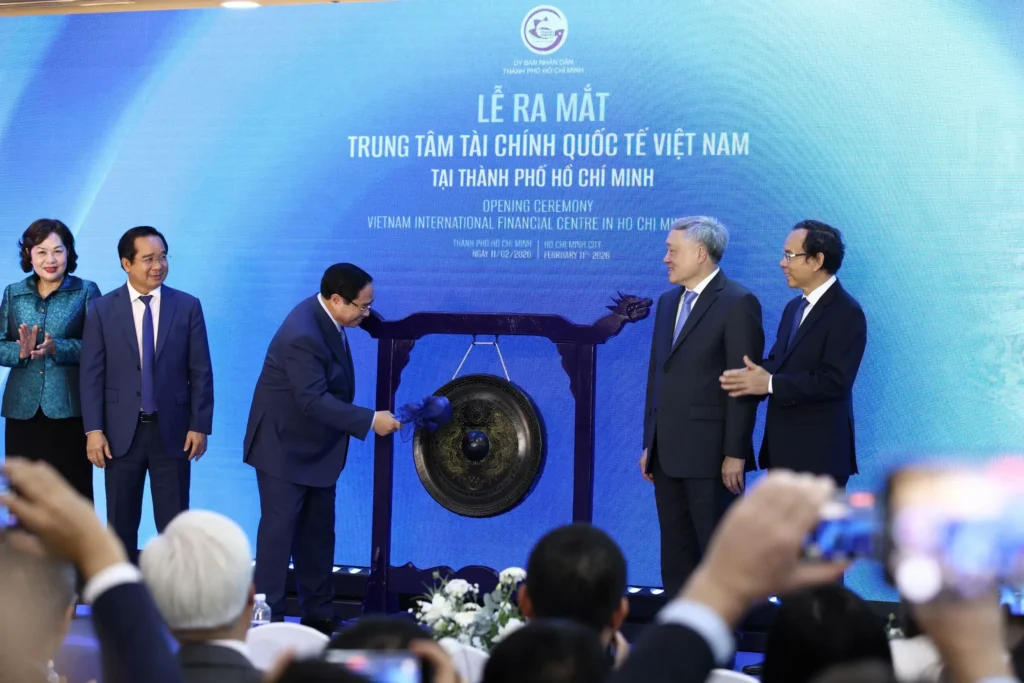
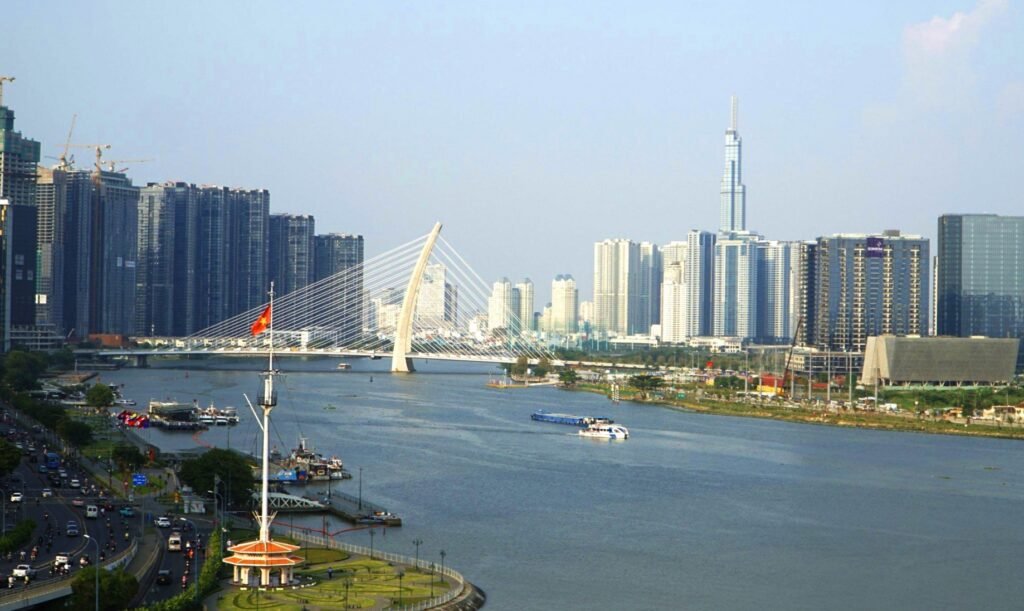
The development of the Vietnam International Financial Center (VIFC) is not happening in isolation. It reflects a broader convergence of macroeconomic stability, regional capital shifts, and structural transformation within Vietnam’s economy.
At a time when global capital is being reallocated across Asia, Vietnam is increasingly positioned as a high-growth, politically stable, and globally integrated market. This creates a unique window for establishing a financial center that can serve both domestic needs and international flows.
Rising Demand for Capital at Scale
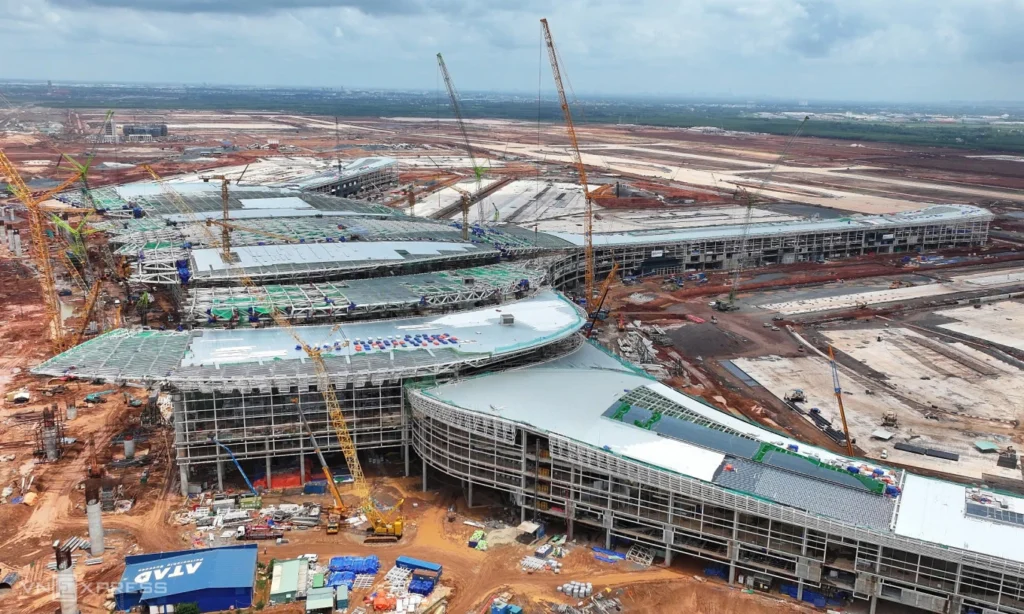
Vietnam’s growth ambitions—particularly in infrastructure, digital economy, green transition, and industrial upgrading—require capital at a scale that domestic sources alone cannot fully meet.
Traditional banking channels are often insufficient for long-term, large-scale financing. VIFC is expected to fill this gap by enabling access to diversified capital pools, including institutional investors, private equity, and global financial markets.
Regional Shifts in Financial Geography
Across Asia, the financial landscape is evolving. Rising costs and regulatory maturity in established hubs such as Singapore and Hong Kong are prompting firms to explore complementary locations.
This shift creates an opportunity for emerging financial centers to position themselves within a broader regional network. Vietnam, with its cost advantage and improving capabilities, is well placed to become part of this “multi-hub” financial architecture.
Leapfrogging Through Technology
Unlike traditional financial centers that evolved over decades, VIFC has the opportunity to build from a relatively clean slate. This enables a “leapfrogging” strategy—adopting digital infrastructure, fintech solutions, and new financial models from the outset.
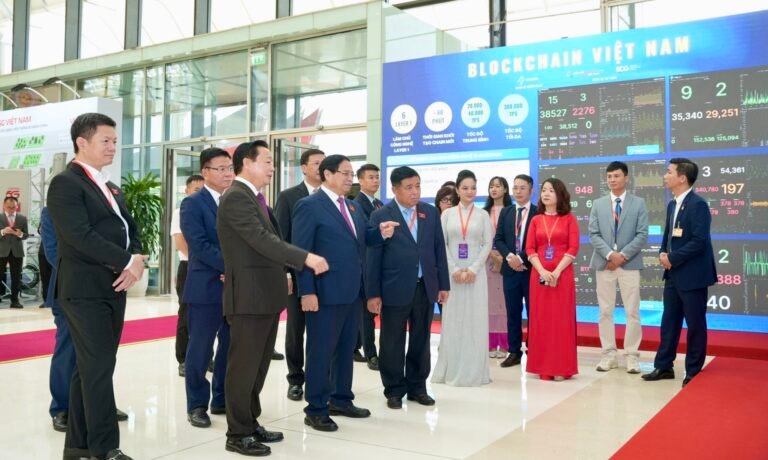
By integrating technologies such as AI, blockchain, and digital identity systems, Vietnam can accelerate the development of a modern financial ecosystem without being constrained by legacy systems.
Policy Momentum and Institutional Commitment
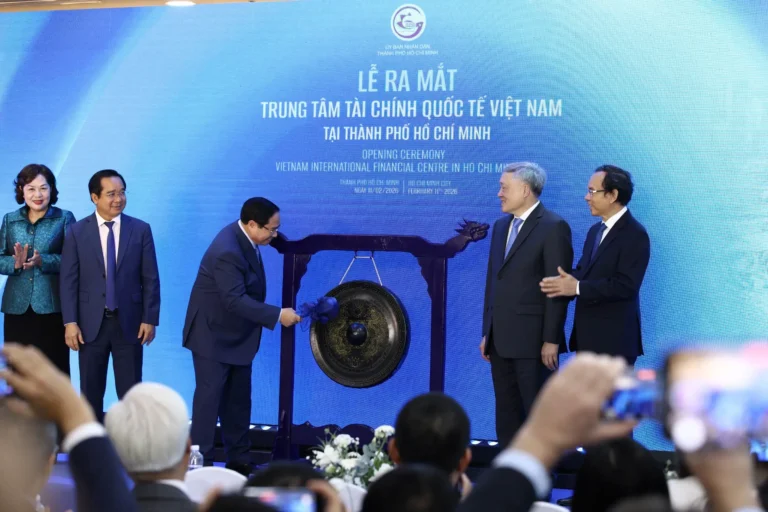
Another critical factor is the strong policy backing behind VIFC. The establishment of dedicated governance structures, regulatory frameworks, and national-level coordination signals a high degree of institutional commitment.
This reduces uncertainty for investors and provides a clearer roadmap for development—an essential condition for building credibility in global financial markets.
Outlook
The question is no longer whether Vietnam needs a financial center, but whether it can execute fast enough to capture the current opportunity window.
With the right combination of policy, infrastructure, talent, and global partnerships, VIFC has the potential to become a meaningful node in Asia’s financial system. The timing is favorable—but execution will ultimately determine its success.