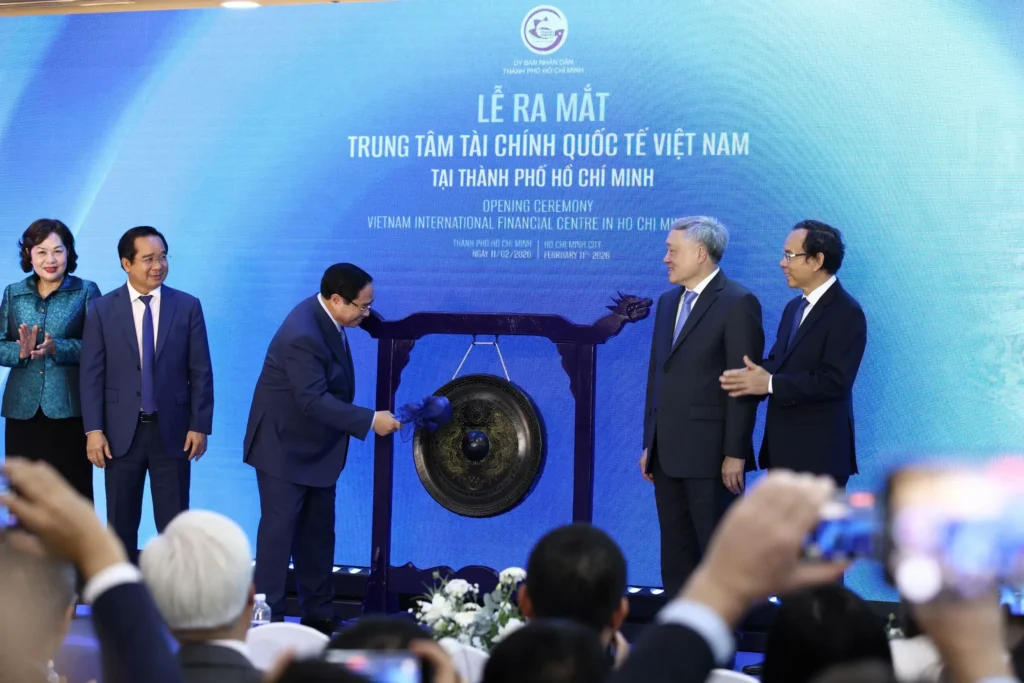


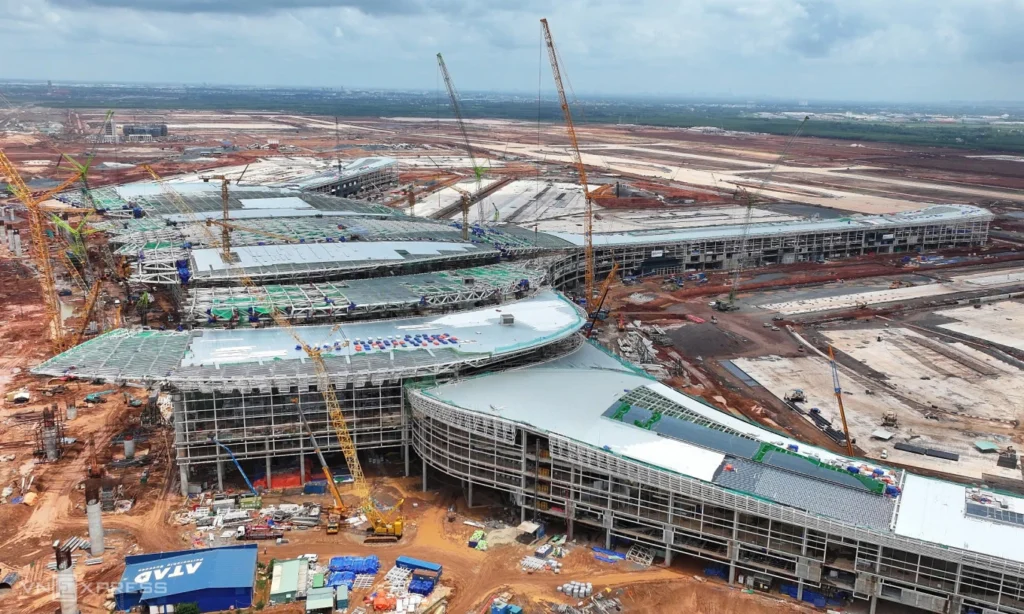
Ambition Meets Execution Reality
The vision for the Vietnam International Financial Center (VIFC) is bold and well-timed. However, building a globally competitive financial hub is not simply a matter of policy announcements or infrastructure investment. It requires consistent execution across multiple dimensions—many of which are complex and interdependent.
The gap between ambition and execution is where most emerging financial centers face their greatest challenges.
Regulatory Complexity and Global Standards
One of the most critical challenges lies in building a regulatory framework that is both competitive and credible. While flexibility and innovation—such as sandbox mechanisms—are important, global investors ultimately prioritize legal certainty, transparency, and enforceability.
Aligning domestic regulations with international standards, while maintaining policy autonomy, is a delicate balance. Any inconsistency or delay in implementation could affect investor confidence.
Talent Constraints in High-End Finance
Human capital remains a structural bottleneck. A global financial center requires not only a large workforce, but also highly specialized expertise in areas such as investment banking, risk management, derivatives, and fintech.
While Vietnam has a growing talent base, the supply of internationally experienced professionals is still limited. Bridging this gap will require both long-term education strategies and short-term international talent attraction.
Competition from Established Financial Hubs
VIFC does not operate in a vacuum. It enters a highly competitive regional landscape dominated by established centers such as Singapore and Hong Kong.
These hubs benefit from decades of development, deep liquidity, and strong institutional trust. For VIFC, the challenge is not to replicate them, but to differentiate—whether through cost advantages, digital infrastructure, or niche market positioning.
Infrastructure and Ecosystem Synchronization
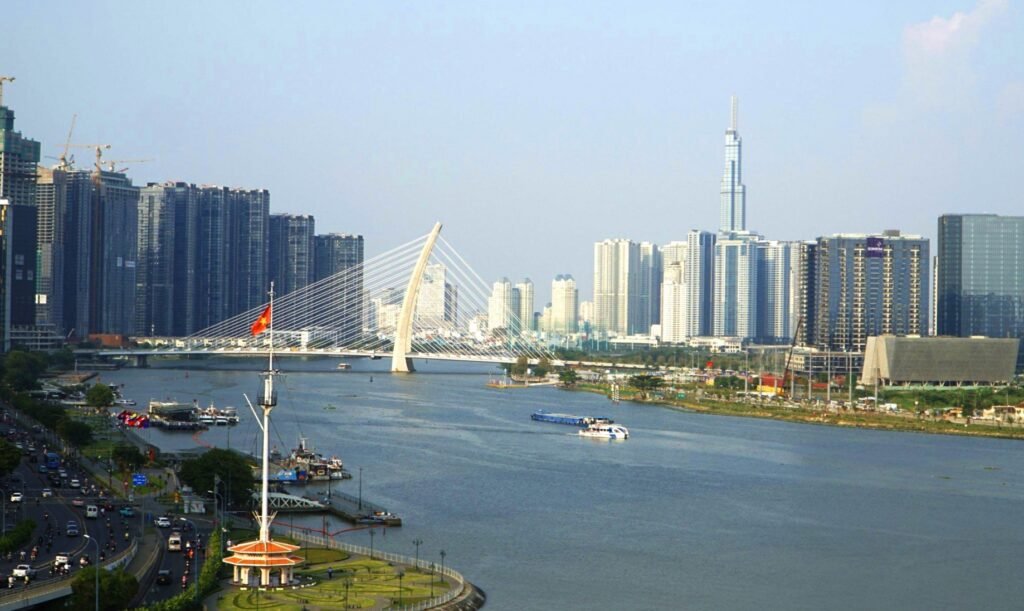
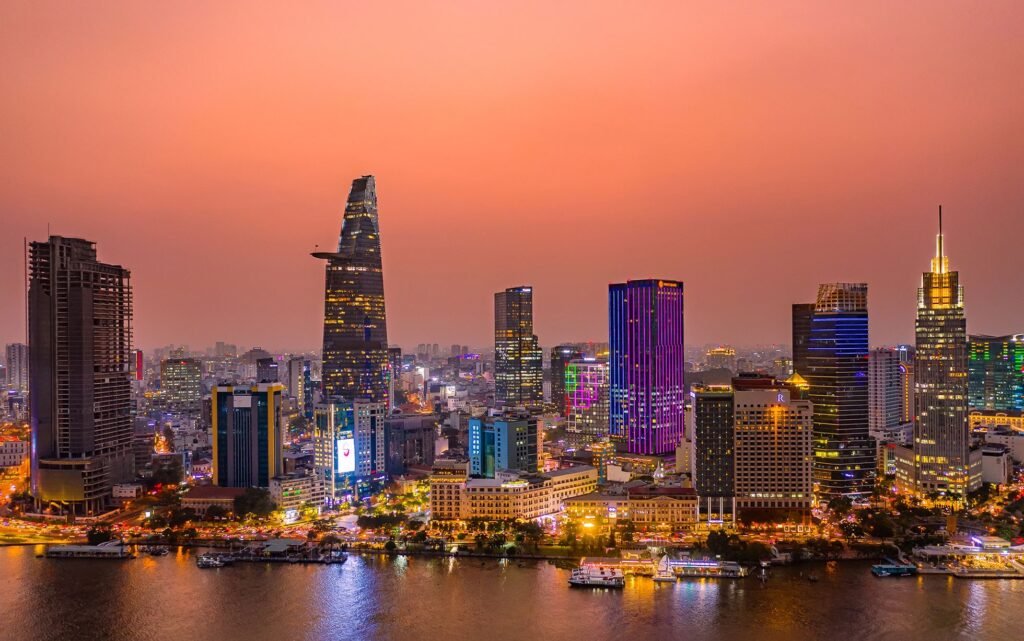
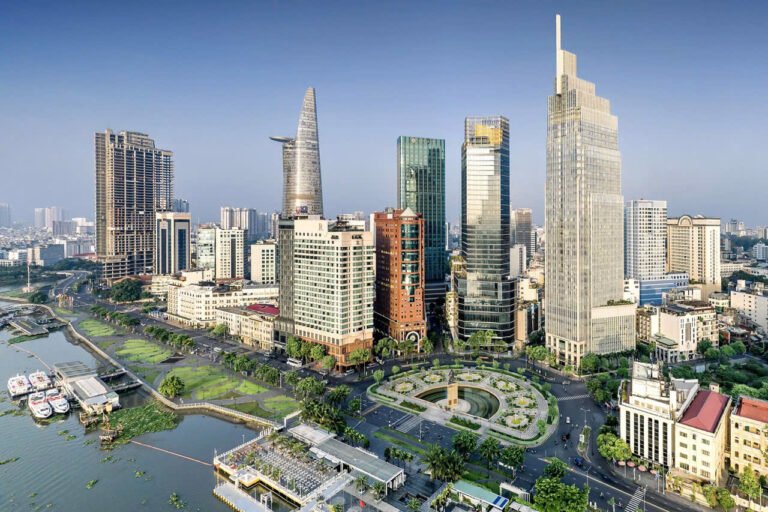
Developing a financial center requires more than office buildings or digital platforms. It involves synchronizing multiple layers of infrastructure, including legal systems, financial services, data infrastructure, and urban planning.
Delays or misalignment in any of these components can slow down the overall development process. The challenge is ensuring that all parts of the ecosystem evolve in a coordinated manner.
Building Trust Takes Time
Perhaps the most fundamental challenge is trust. Unlike physical infrastructure, trust cannot be built overnight. It develops over time through consistent policy implementation, successful transactions, and reliable dispute resolution.
For VIFC, early-stage credibility will be critical. Initial success stories—whether in attracting major institutions or executing landmark transactions—will play a key role in shaping perception.
Outlook
The path to becoming an international financial center is inherently long-term and complex. While Vietnam has many favorable conditions, execution will ultimately determine the outcome.
If VIFC can navigate regulatory, talent, and ecosystem challenges effectively, it has the potential to carve out a distinct position in Asia’s financial landscape. If not, it risks remaining an ambitious vision without full realization.