

A Strategic Push to Position Vietnam on the Financial Map
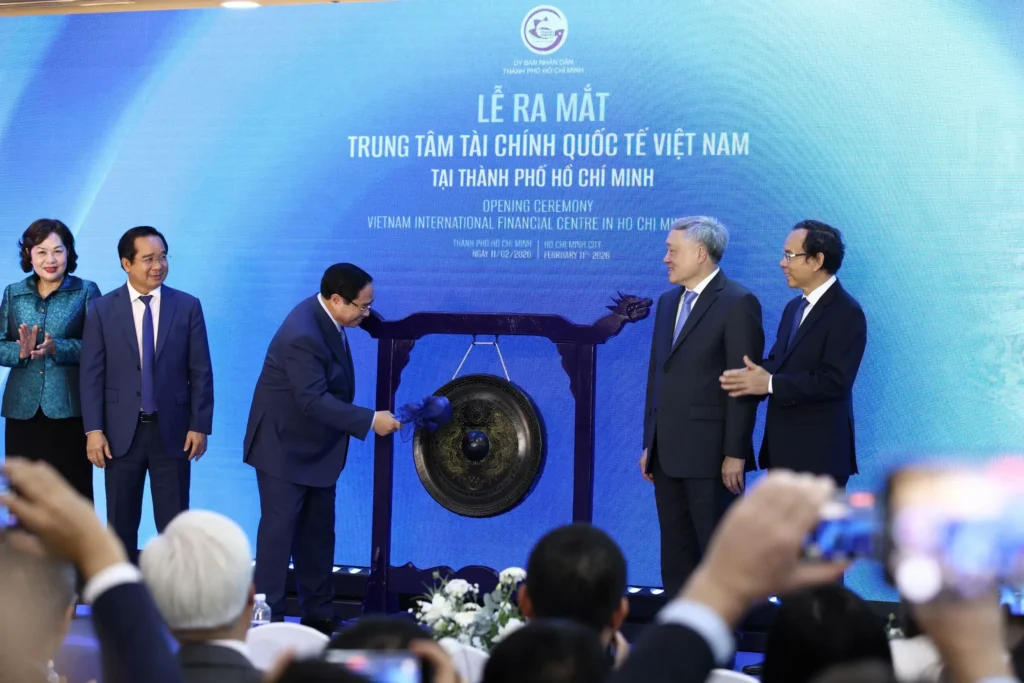
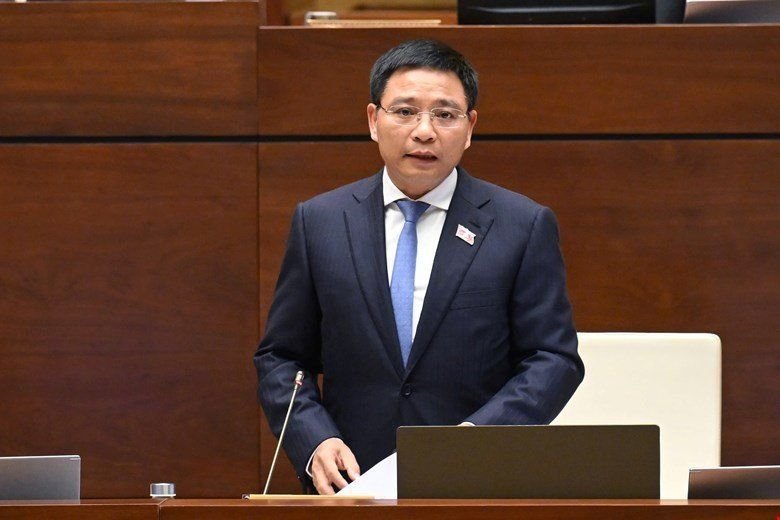
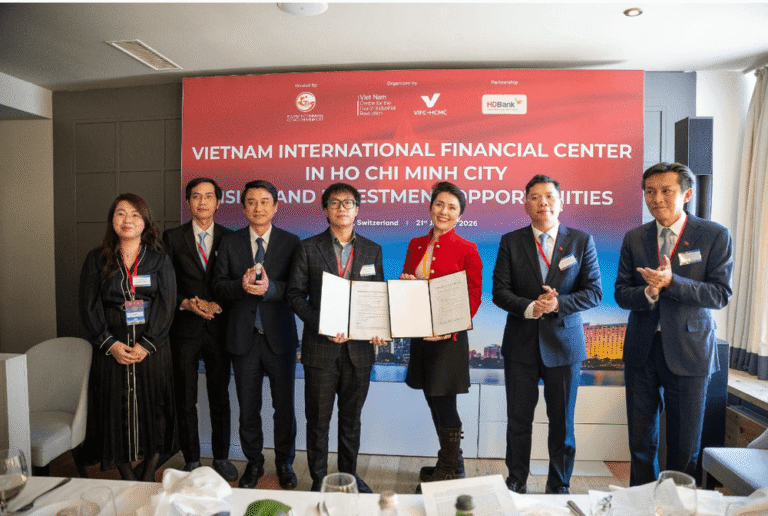
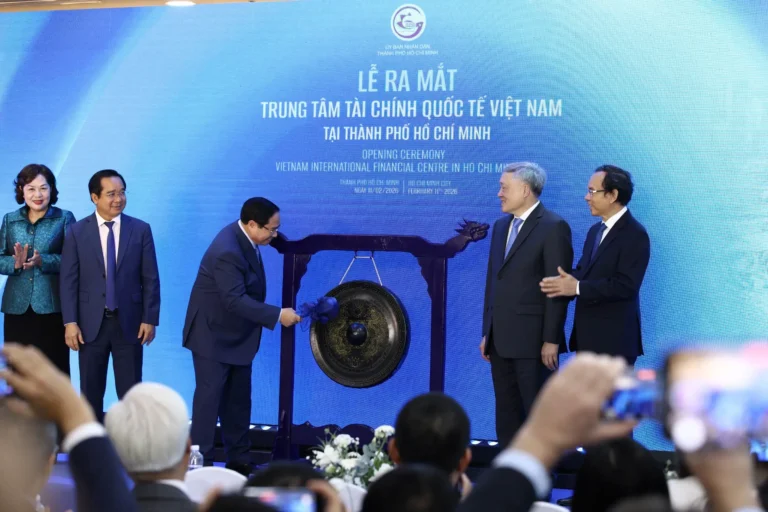
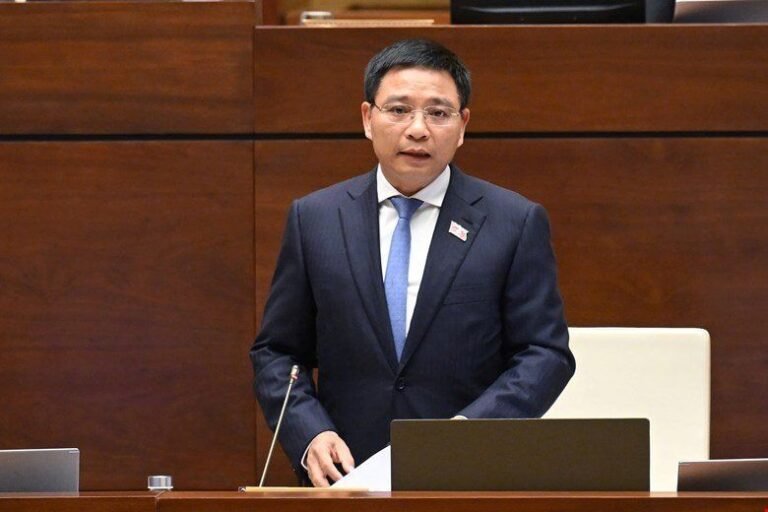
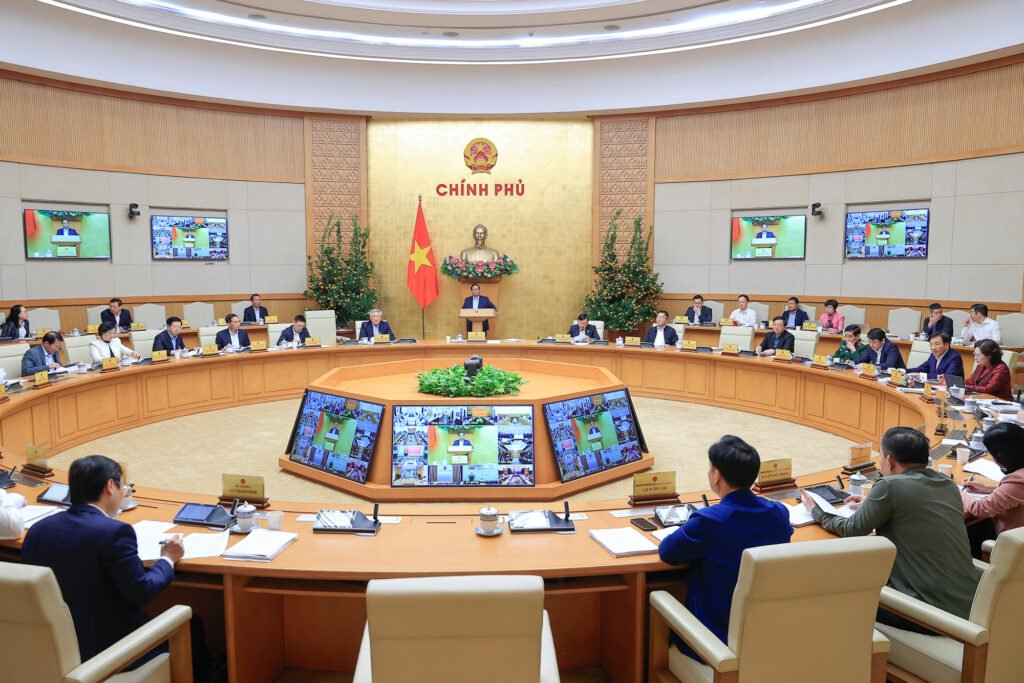
The development of an international financial center in Ho Chi Minh City is increasingly seen as a strategic move to position Vietnam within the global financial system. At a recent government conference, senior leadership emphasized that the initiative reflects strong political commitment and a long-term vision to build a transparent, efficient, and sustainable financial ecosystem.
Beyond its economic role, the financial center is expected to reinforce Vietnam’s standing as an emerging destination for global capital, particularly within Southeast Asia.
Competitive Capital Costs as a Core Advantage
One of the key value propositions of the financial center lies in its ability to attract capital at more competitive costs. According to city leadership, this advantage can serve as a powerful catalyst for innovation, enabling the development of advanced financial products and supporting startups and enterprises.
In a regional context where capital efficiency is increasingly important, a lower cost base combined with regulatory flexibility could allow Vietnam to differentiate itself from more mature financial hubs.
Building an Innovation-Driven Financial Ecosystem
The financial center is also positioned as a driver of fintech innovation and sustainable finance. With a focus on green economy trends and technology-enabled financial services, the initiative aims to go beyond traditional banking and capital markets.
This approach reflects a broader shift toward integrating finance with innovation, where financial centers increasingly serve as platforms for new economic models rather than purely transactional hubs.
Infrastructure and Institutional Development as Key Priorities
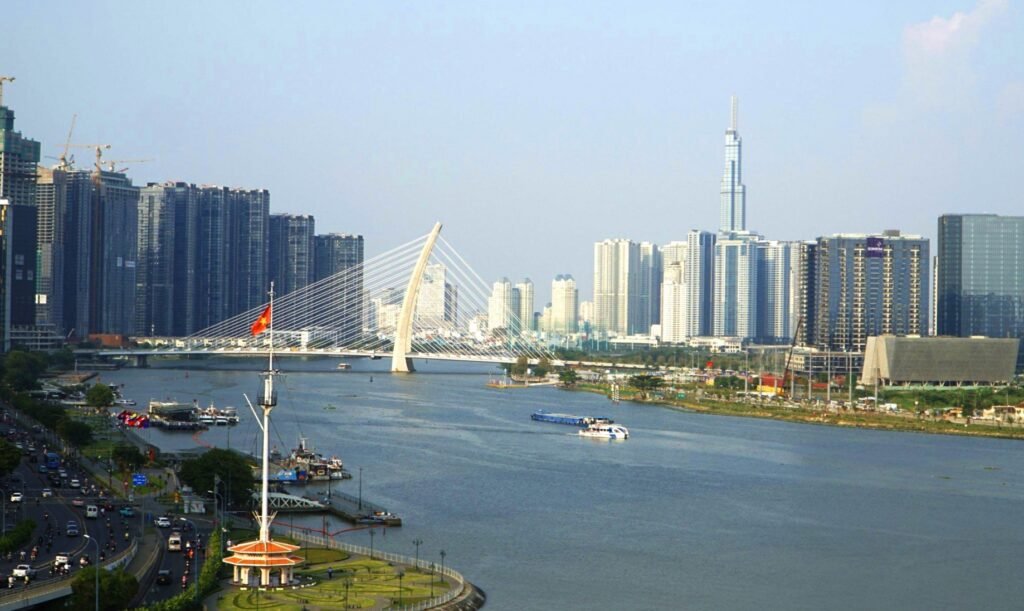
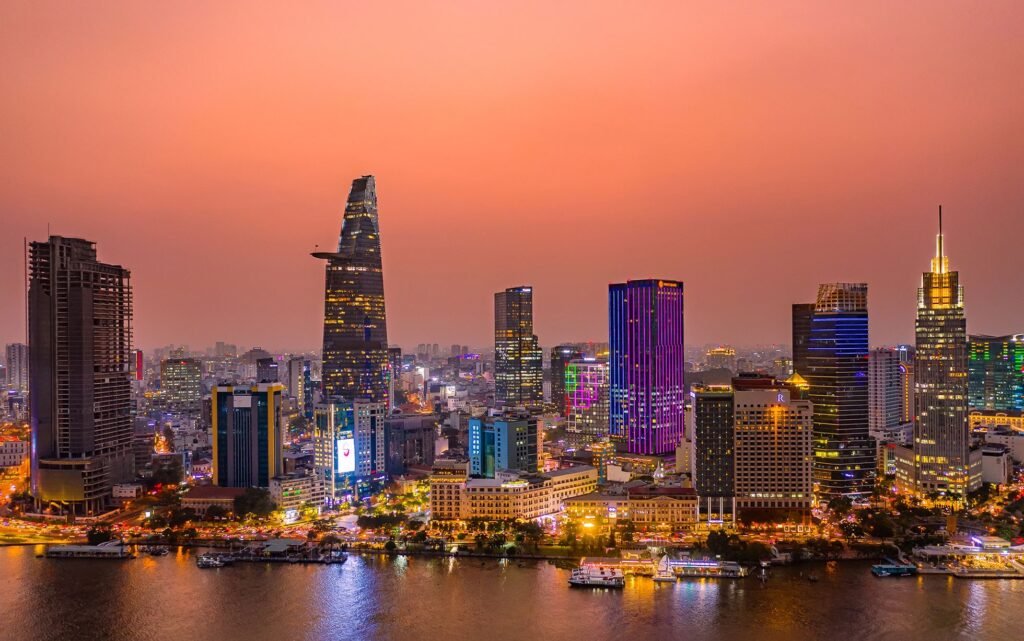
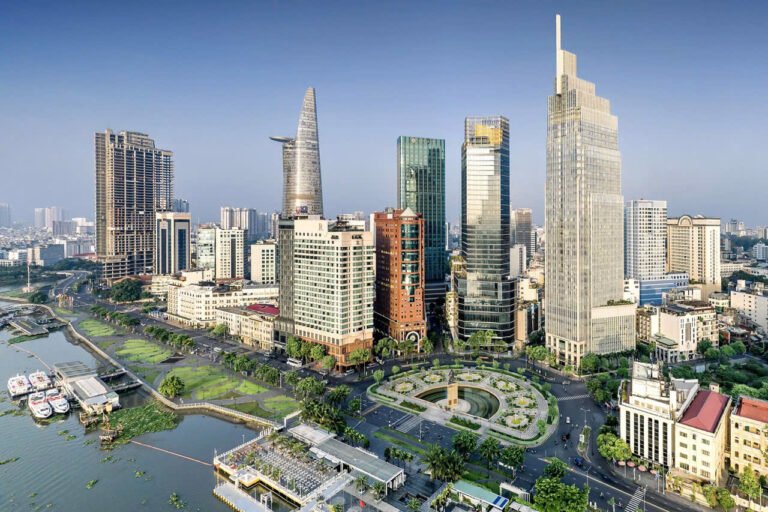
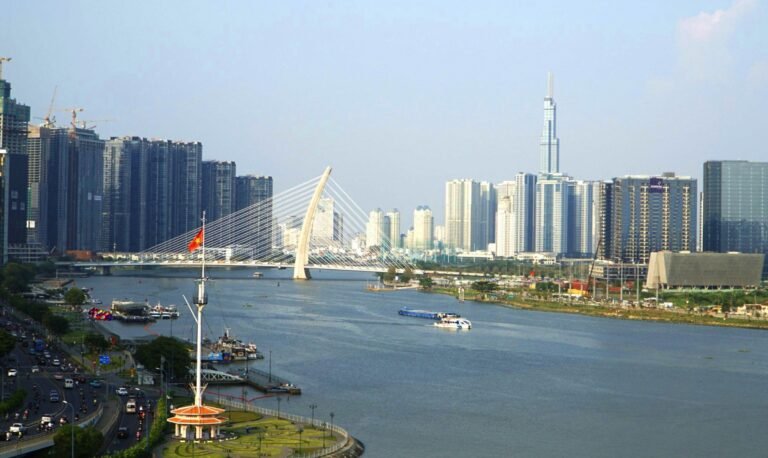
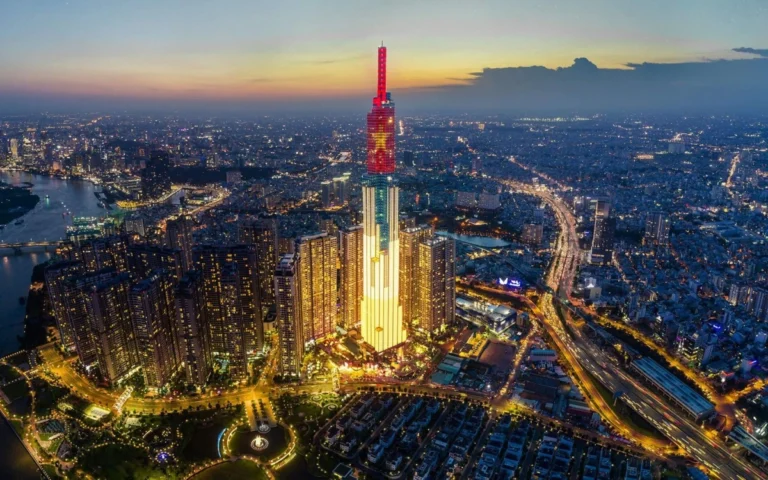
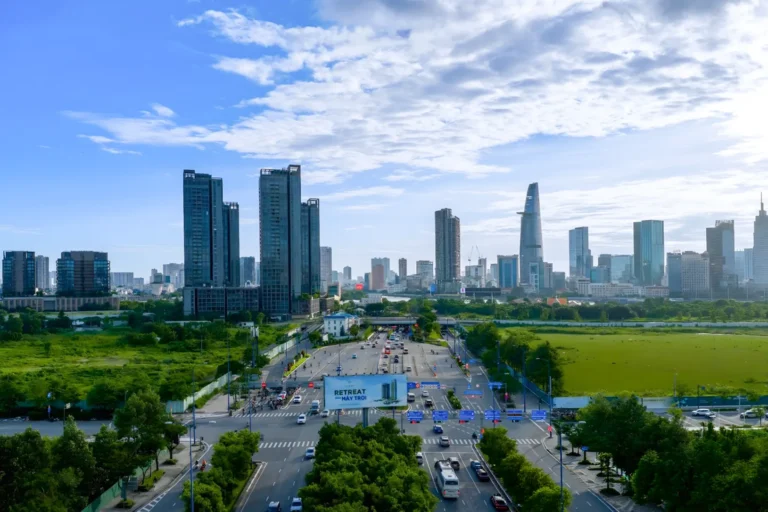
To support this vision, Ho Chi Minh City is mobilizing resources to develop both physical and institutional infrastructure. This includes planning the financial district, likely centered around Thu Thiem, while ensuring scalability for future expansion.
At the same time, efforts are being made to build governance structures, establish coordinating bodies, and align closely with central government directives. These steps are essential to ensure execution consistency and policy coherence.
Talent, Policy, and Capital Mobilization
Human capital development is another critical pillar. The city is focusing on training, attracting talent, and fostering innovation capabilities, particularly in finance and technology.
In parallel, policymakers are working on tailored mechanisms to attract and protect investors, financial institutions, and large investment funds. Capital mobilization will come from multiple sources, including public funding, international support, commercial financing, and private sector participation.
Outlook
The success of the international financial center will depend not only on policy design but also on execution and ecosystem alignment. Strong coordination between government, investors, and the broader business community will be essential.
If these elements come together effectively, Ho Chi Minh City could emerge as a competitive financial hub capable of attracting global capital while supporting Vietnam’s long-term growth ambitions.